From Gateway to Guardhouse: Ellis Island’s WWII Detention Era
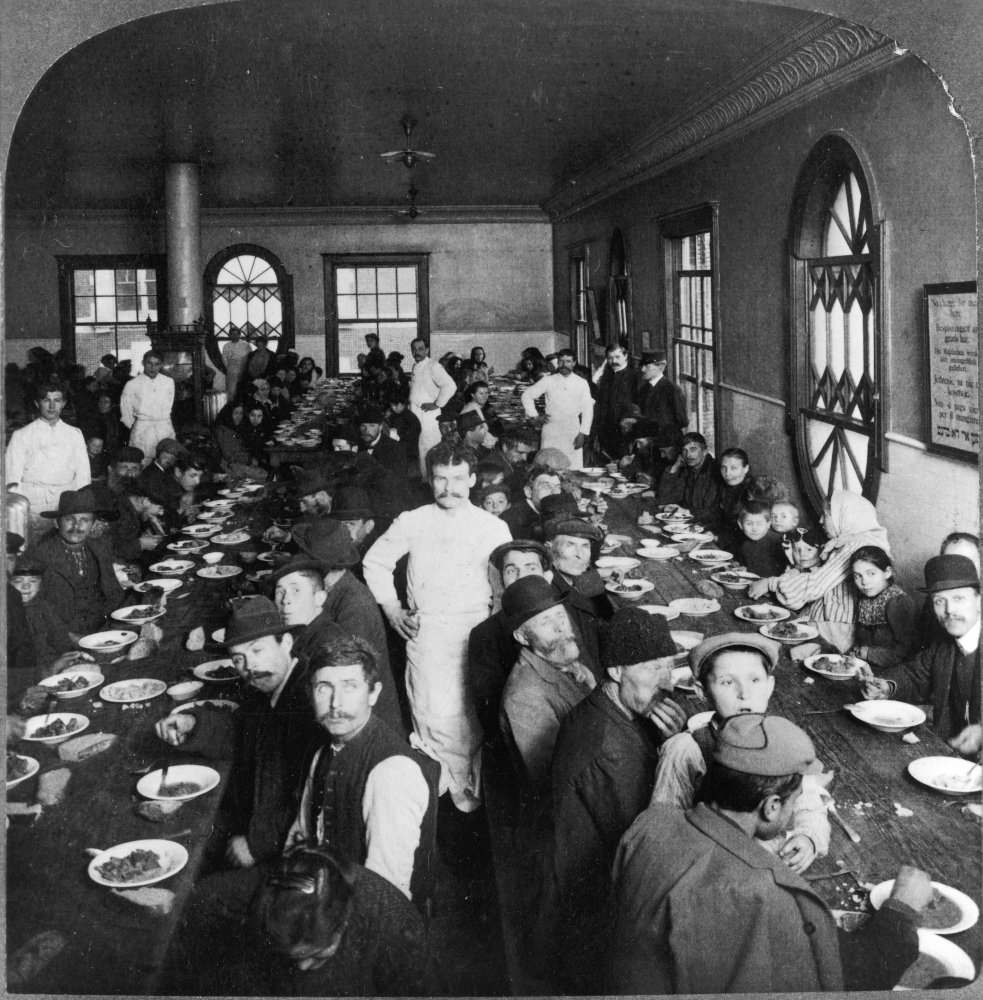
Ellis Island wasn’t always a symbol of arrival. During WWII, it became a wartime detention center and later a lifeline for European refugees. Uncover the island’s dramatic transformation, then glide past the same red-brick walls on an exclusive private sail curated for privacy, comfort, and uninterrupted views.
Starting at $600 for weekday couples | $700 for up to 6 guests | Departs Chelsea Piers
Quick Answer: During WWII, Ellis Island shifted from processing immigrants to detaining over 1,500 suspected enemy aliens for interrogation and security screening. After 1945, it temporarily processed 30,000+ European displaced persons fleeing Soviet expansion and the Holocaust aftermath. Today, experience the same harbor waters privately aboard a luxury sailing yacht without the crowds, captain navigation from Chelsea Piers, and full catering. Book 2–4 hour charters starting at $600.
Dawn breaks over the Narrows, painting the skyline in soft slate and copper. Your vessel slips past the city’s edge, carrying nothing but quiet conversation and the gentle slap of water against the hull. It’s easy to forget that these same currents once carried surveillance logs, military escorts, and displaced families searching for a fresh start.
Ellis Island’s wartime years rewrite the familiar narrative. Between 1941 and 1946, the island traded its registry stamps for security dossiers, transforming from a welcoming threshold into a guarded checkpoint. Then, as the guns fell silent, it pivoted again—this time serving as a temporary bridge for Europeans fleeing shattered homelands. This is the story of a gateway turned guardhouse, and later, a sanctuary.
Compiled with insights from Captain Martin, whose thirty years of navigating the New York Harbor inform every route we chart. Go Sailing NYC has been curating private, high-end water experiences since 2018.
The Welcome Gate Becomes a Watch Post
The attack on Pearl Harbor didn’t just mobilize factories and draft soldiers; it triggered a sweeping reclassification of non-citizen residents. The Alien Registration Act of 1940 required all foreign-born adults to carry documentation, while wartime directives empowered federal agencies to detain individuals deemed security threats. Ellis Island, already equipped with dormitories, dining halls, and administrative offices, was quickly repurposed.
- Approximately 1,500+ detainees were held on the island at various points during the war, primarily German, Italian, and Japanese nationals.
- Interrogation rooms replaced medical screening stations as INS inspectors collaborated with military intelligence to verify loyalties, trade routes, and communication patterns.
- Security protocols overrode hospitality. Perimeter patrols increased, correspondence was monitored, and transit to inland destinations required explicit clearance.
The island’s architecture remained unchanged, but its function inverted overnight. The same corridors that once echoed with hopeful chatter now carried the measured footsteps of armed guards and the quiet rustle of case files. America’s doorstep had become a filter.
Detention, Dossiers & the Wartime Filter
Being held on Ellis Island during WWII rarely meant a criminal conviction. Most detainees were merchant mariners, journalists, small-business owners, and naturalized citizens whose ties to Axis homelands raised bureaucratic eyebrows. The definition of “enemy alien” cast a wide net, and suspicion often outweighed evidence.
The Gray Zone of Loyalty
Hearings focused less on legal infractions and more on behavioral patterns: overseas correspondence, membership in cultural clubs, or attendance at foreign-language newspapers. Some detainees spent months in holding wards before being released to community sponsors. Others were transferred to inland camps in Texas and New Mexico. The process was administrative, not judicial, and outcomes varied wildly based on the inspector’s discretion.
Coast Guard & INS Coordination
Declassified logs reveal that harbor patrols, radio intercepts, and dockworker informants fed intelligence directly to Ellis Island administrators. The island became a nervous system for wartime vetting, processing not just bodies arriving by sea, but narratives waiting to be verified. Trust, it turned out, required paperwork.
Post-War Passage: Processing the Displaced
When the war ended, Ellis Island didn’t close its gates—it reopened them under entirely new directives. The Truman Directive of 1945 and subsequent Displaced Persons Acts authorized temporary visas for Europeans fleeing Soviet expansion, Nazi occupation, and shattered economies. Between 1945 and 1954, the island processed more than 30,000 refugees, many arriving with nothing but identification papers and a destination address.
Temporary Housing & Transit Logistics
The facility pivoted from interrogation to intake. Medical checks returned, but the focus shifted to vaccination verification, work placements, and family reunification. Relief agencies like the International Rescue Committee and Catholic Relief Services established on-site desks to coordinate train schedules and initial housing.
The Final Chapter Before Closure
By the early 1950s, immigration screening had fully moved to consulates overseas. Ellis Island’s wartime and post-war operations proved its flexibility, but also its obsolescence. The doors officially closed in November 1954, leaving behind a legacy that stretched far beyond the famous Registry Room. It had been a checkpoint, a holding cell, a transit hub, and occasionally, a lifeline.
From Guardhouse to Open Water
History doesn’t erase itself—it settles into the waterline. The same harbor that once carried military escorts and refugee transports now offers a different kind of passage: one built on discretion, comfort, and uninterrupted sightlines. Where wartime protocols demanded clearance, we simply require a reservation.
Why Private Routing Delivers
- No public ferry queues: View Ellis Island, the Statue of Liberty, and Lower Manhattan from a calm, exclusive vantage point reserved for your group.
- Custom scheduling: Depart before sunset, glide through golden hour, or cruise after dusk—your itinerary follows your rhythm.
- Elevated provisions: Champagne service, curated catering, and optional decor packages for proposals, anniversaries, or milestone celebrations.
- Expert navigation: Captain Martin’s three decades on these waters guarantee optimal routing, smooth handling, and the most photogenic skyline angles.
Ellis Island’s wartime era taught us that control shapes experience. We control the logistics—traffic, noise, timing—so you can focus on what actually matters: the water, the horizon, and the company you keep.
FAQ — Ellis Island WWII History & Private Charter Logistics
Was Ellis Island used as a detention center during WWII?
Yes. Between 1941 and 1945, the island held over 1,500 suspected enemy aliens (primarily German, Italian, and Japanese nationals) for interrogation, loyalty verification, and security screening before release or transfer to inland camps.
How did Ellis Island change after the war?
Following the 1945 Truman Directive, the island transitioned to processing displaced Europeans fleeing Soviet expansion and postwar devastation. Over 30,000 refugees passed through between 1945 and 1954 before immigration screening moved overseas, and the facility closed.
Where can I find WWII-era detention records?
INS case files, Coast Guard patrol logs, and intelligence correspondence are archived at the National Archives (Record Group 85). Many include detainee names, nationalities, interrogation summaries, and release dates—valuable for historical and genealogical research.
What is the guest capacity for a private sailing charter?
Our USCG certification allows a maximum of six passengers per voyage. This ensures an intimate, unhurried atmosphere with ample room for dining, conversation, and photography.
How much does a private harbor charter cost?
Weekday sailings before sunset start at $600 for two guests. The full vessel rate for up to six passengers is $700. Weekends are $750. Catered platters, beverage packages, and decorative upgrades are available à la carte.
Do charters dock at Ellis Island or Liberty Island?
No, these National landmarks are not accessible by private boat. The captain positions the vessel for premium, unobstructed photography and panoramic water-level views of both landmarks.
What happens if the weather turns unsafe on my charter day?
Safety is non-negotiable. If rain or hazardous conditions occur during the time of your charter, rescheduling is complimentary. Real-time radar monitoring begins two hours before your scheduled sail time.
Ready to Navigate the Harbor—Privately & in Style?
Ellis Island’s wartime legacy. The Statue of Liberty’s enduring silhouette. Manhattan’s skyline at golden hour. Experience it all without the public ferry rush, on your own private sailing yacht.
Starting at $600 for weekday couples | $700 for up to 6 guests | Departs Chelsea Piers
Check Availability & Book Your Harbor Escape
Questions before booking? Call or text us: 917-399-9084
Prefer to explore routes and catering options first? See our private charter options →