Ellis Island’s Hidden Court: The True Story Behind America’s Gateway
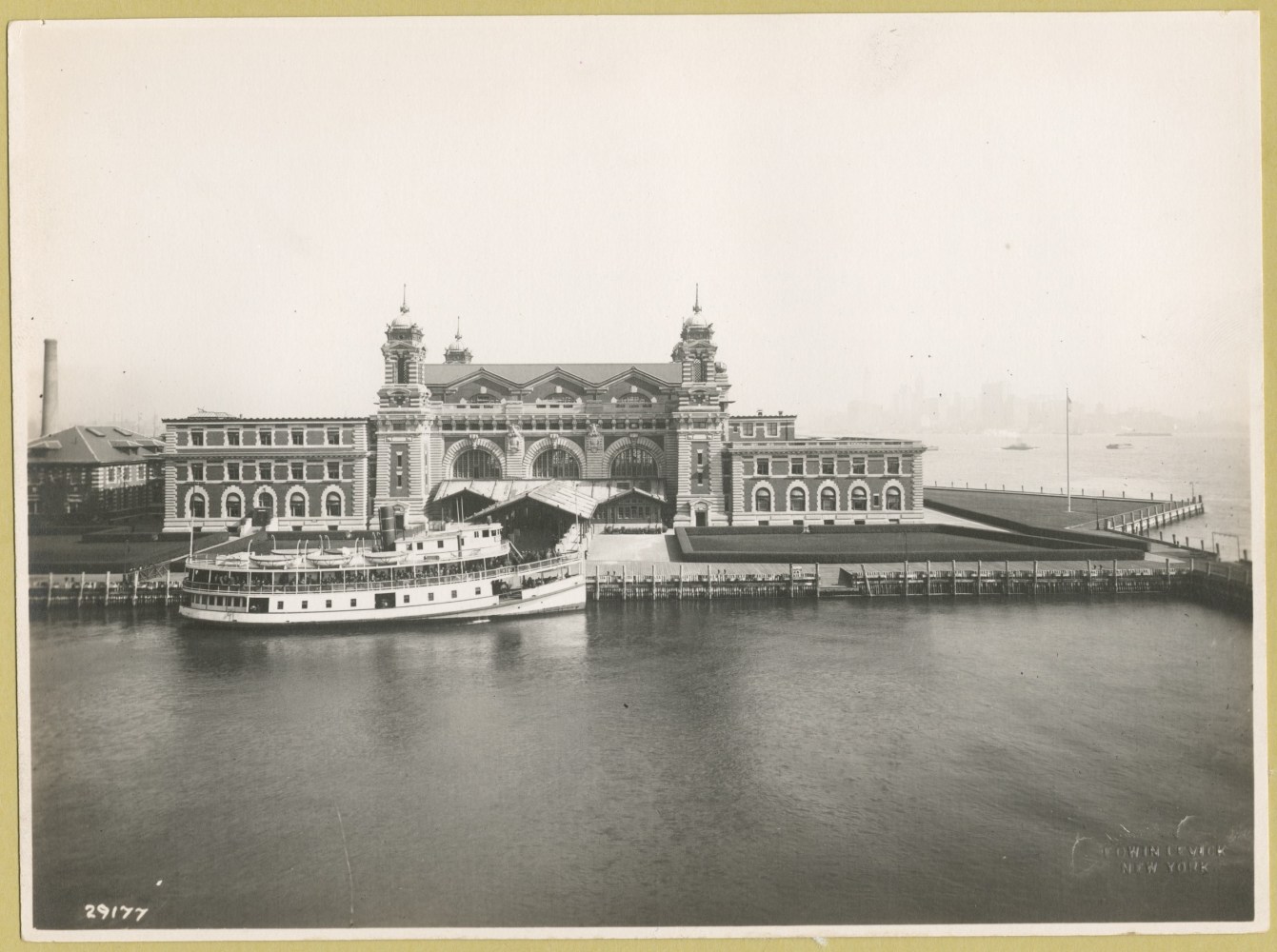
Your bow cuts through New York Harbor. Ellis Island rises ahead—quiet now, but once home to America’s first immigration court. Discover the hidden drama of the Board of Special Inquiry, then sail past its historic walls on a private charter: luxury, privacy, and an experienced captain with harbor wisdom.
Starting at $600 for weekday couples | 2-4 hour charters | Departs Chelsea Piers
Quick Answer: Ellis Island’s Board of Special Inquiry (1893–1954) was America’s first immigration court, where 98% of flagged immigrants were admitted after hearings in cramped second-floor rooms. Today, you can sail past these historic walls on a private NYC sailboat charter—enjoying luxury amenities, personalized service, and an experienced captain with harbor wisdom. Book 2-4 hour charters from $600 weekdays, $750 weekends.
Your bow cuts through the harbor swell. The Statue of Liberty rises on your starboard quarter. And straight ahead, Ellis Island’s red-brick silhouette pulls into view. It’s quiet now. But a century ago, this island hummed with the nervous energy of America’s first immigration court.
No mahogany benches. No gavels. Just three civil servants, a stack of manifest stamps, and rooms so small they sometimes held hearings in the inspectors’ dressing room. Welcome to the Board of Special Inquiry—where the fate of newcomers was decided in hours, not years, and where the American dream came with a waiting list.
Written with insights from Captain Martin, who has sailed New York Harbor for over 30 years. Go Sailing NYC has been providing private charters from Chelsea Piers since 2018.
The Courtroom Where Space Was a Luxury
Established in 1893, the Board of Special Inquiry operated out of second-floor rooms designed for paperwork, not people. At peak immigration, six boards convened daily—but there were only four actual rooms. They squeezed into stairwells, borrowed offices, and once used a converted medical screening area.
- Dormitories held 300 immigrants at a time; hearing chairs? Exactly 50.
- Inspectors weren’t federal judges—they were working-class civil servants like Harvey E. Snider, who rose from gatekeeper to Chief Inspector.
- They worked 9 AM to 7 PM, seven days a week, questioning 400–500 arrivals daily.
- Their power was immense, but their goal wasn’t exclusion. It was verification.
Here’s the statistic that always surprises historians: Only 2% of immigrants who appeared before the BSI were ultimately deported. That’s right. If you were flagged for a hearing, you had a 98% chance of walking onto American soil.
The most common flag? “LPC”—Likely to Become a Public Charge. Inspectors wanted proof you had a sponsor, a prepaid train ticket, or enough cash to rent a room and buy bread. Bring a letter from a cousin in Brooklyn, and the door usually swung open.
The Lawyers Who Caught Ferries to Work
If you wanted legal representation in 1907, you didn’t hail a cab. You bought a ferry ticket.
The Immigration Act of 1893 technically allowed counsel, but Manhattan attorneys had to navigate INS schedules, island protocols, and a system that rewarded quiet cooperation over courtroom theatrics. Unlike federal court, where appeals and cross-examinations ruled, the BSI valued deference, documentation, and decisive answers.
Case Study: Nina Ashoff (1898)
Young, wealthy, and thoroughly modern, Nina Ashoff still got flagged as a potential public charge. Her uncle hired attorney Henry Gottlieb, who filed a habeas corpus petition arguing her family’s fortune made the designation absurd. The case dragged into federal district court, proving a hard truth: money didn’t fast-track bureaucracy. Judges at the time heavily restricted lawyers from turning BSI decisions into courtroom battles. This wasn’t Manhattan law. This was administrative survival.
Case Study: Katalin Pilljar (1913)
Katalin’s hearing transcripts and medical certificates now rest in the National Archives. Her case became a teaching tool for understanding the immigration process—her name forever linked to the “Golden Door” she was trying to pass through. For someone like Katalin, volunteers from aid societies were the difference between a Lower East Side address and a return ticket to Europe.
The Lifelines: Volunteers, Vouchers, and Very Real Stakes
While private attorneys fought uphill, immigrant aid societies became the real lifelines. HIAS (Hebrew Immigrant Aid Society) opened an official Ellis Island bureau in 1904. Catholic Charities, the Italian Welfare League, and dozens of ethnic nonprofits stationed translators, case workers, and guarantors right on the island.
- They didn’t just comfort crying children. They signed guarantee letters.
- If a recognized society vouched for an immigrant, the BSI typically reversed the exclusion.
- It was social work as strategy—and often the difference between admission and deportation.
But let’s be clear: they were overwhelmed. At peak volume, over 2,000 immigrants were detained daily. One in six received individualized attention. The rest waited on wooden benches, listening to names called in languages they barely understood, hoping their sponsor’s letter arrived before the 4 PM ferry back to Europe.
From Holding Cells to Horizon Lines
Back then, you waited for a verdict. Now, you watch the tide.
Ellis Island’s hearing rooms held 50 seats for thousands of hopefuls. Today, our private sailing yacht has 3 private seating areas for six guests. That’s the quiet luxury of modern New York Harbor: space, silence, and a captain who knows which current gives you the clearest view of Lady Liberty’s crown.
Why Our Guests Choose Private
- Zero crowds: No public ferry queues, no Bluetooth tour guides shouting over the wind.
- Personalized timing: Sunset timed to the minute. Golden hour photos without strangers in the frame.
- Luxury amenities: Champagne chilled. Catering curated. Decor packages for proposals, anniversaries, or celebrations.
- Expert navigation: experienced captains able to read these waters means smooth sailing and the best views—every time.
The BSI asked: “Will you thrive here?”
Your charter answers: “You already do.”
FAQ — Ellis Island History & Private Charter Questions
What was the Board of Special Inquiry?
Established in 1893, the Board of Special Inquiry was America’s first immigration court, operating on Ellis Island’s second floor. Three inspectors heard cases of immigrants flagged for medical, legal, or financial concerns. Despite the intimidating process, 98% of those who appeared were admitted to the U.S.
Could immigrants have lawyers at Ellis Island?
Yes, but with major limitations. The Immigration Act of 1893 allowed counsel, but attorneys had to take ferries to the island and work within a system that valued administrative efficiency over courtroom advocacy. Unlike decisions of Manhattan courts, BSI decisions were difficult to appeal and heavily weighted toward the inspector’s discretion.
How do I sail past Ellis Island on a private charter?
All private charters depart from Pier 59 at Chelsea Piers (West 17th Street & Hudson River). Your USCG-licensed captain will navigate a custom route past Ellis Island, the Statue of Liberty, and the Manhattan skyline. Charters run 2-4 hours, with 3 seating areas, and full catering and beverage service available.
What’s the cost for a private Ellis Island sailing tour?
Private charters start at $600 for weekday couples (2 hours, before sunset) and $750 for weekends. This includes your USCG-licensed captain, the vessel and amenities, and Chelsea Piers docking fees. Catering, beverage packages, and decoration add-ons are available à la carte.
Can we dock at Ellis Island or Liberty Island?
No—the National Park Service does not allow private vessels to dock at national monuments and protected national parks. However, we’ll get you close enough for stunning, crowd-free photos of the Statue of Liberty and Ellis Island’s historic buildings. Many guests find the water-level perspective more intimate and photogenic than the crowded ferry views.
What if the weather is bad on my charter day?
Safety first: If there’s rain during your charter time, or weather conditions are unsafe (high winds, lightning, heavy rain), your captain will proactively reschedule your charter at no additional cost. We monitor real-time radar within 2 hours of departure to ensure your safety and peace of mind.
Ready to Sail Past History—In Privacy & Style?
Ellis Island’s red-brick walls. The Statue of Liberty’s crown. The Manhattan skyline at golden hour. Experience it all without the crowds, on your own private sailing yacht.
Starting at $600 for weekday couples | 2-4 hour charters | Departs Chelsea Piers
Check Availability & Book Your Harbor Escape
Questions before booking? Call or text us: 917-399-9084
Prefer to explore routes first? See our private tour routes →