
The Interpreter Corps: The Unsung Linguists Who Shaped Ellis Island
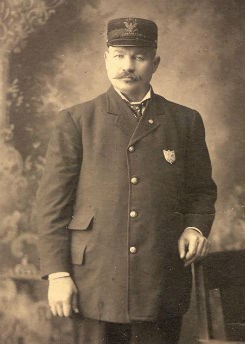
Your sails catch the harbor breeze. Ellis Island rises ahead—once the world’s busiest translation hub. Discover the Interpreter Corps: the unsung linguists who shaped destinies. Then sail past history on a private NYC charter: luxury, privacy, and an experienced captain with years of harbor wisdom.
Starting at $600 for weekday couples | 2-4 hour charters | Departs Chelsea Piers
Quick Answer: Ellis Island’s Interpreter Corps (1892–1954) employed 30–50 multilingual civil servants who translated over 30 languages for arriving immigrants. They shaped admissions outcomes through cultural translation and advocacy. Today, sail past Ellis Island on a private NYC sailboat charter—enjoying luxury amenities, personalized service, and a USCG-licensed captain with 30 years of harbor experience. Book 2-4 hour charters from $600 weekdays, $750 weekends.
Your sails catch the harbor breeze. The water whispers against the hull as Ellis Island’s red-brick silhouette grows clearer. You can almost hear it—the polyglot hum of a hundred languages, the urgent questions, the hopeful answers, the quiet moments when a single translated word changed everything.
Today, your private charter glides past in peaceful silence. But step back to 1907, and Ellis Island wasn’t just an immigration station—it was the world’s busiest translation hub. Welcome to the story of the Interpreter Corps: the unsung linguists who didn’t just translate words, but shaped destinies.
Written with insights from Captain Martin, who has sailed New York Harbor for over 30 years. Go Sailing NYC has been providing private charters from Chelsea Piers since 2018.
The Tower of Babel on the Harbor
Picture this: a single morning in April 1907. Over 11,000 immigrants arrive. They speak Italian, Yiddish, Polish, Russian, Greek, Arabic, Croatian, Slovak, Ukrainian, German, Swedish, and dozens more. Medical inspectors need to ask about symptoms. Legal officers need to verify sponsors. Families need to find each other in the crowd.
Without interpreters, Ellis Island grinds to a halt.
- 30–50 linguists on the island at once during peak years; hundreds served over Ellis Island’s operational lifespan (1892–1954).
- Rigorous civil service exams tested language proficiency, cultural knowledge, and ethical judgment.
- Fluency in at least two foreign languages required—many interpreters spoke four or five.
- Modest but stable pay: $100–$150/month in the 1910s (roughly $3,000–$4,500 today), plus government benefits and community prestige.
For many immigrants who’d just gained citizenship, this was a prestigious career path. Interpreters gained insider knowledge of U.S. immigration law, built networks across ethnic communities, and earned respect as cultural brokers.
Fun fact: Some interpreters were former immigrants themselves. They knew exactly what it felt like to stand in that Registry Room, clutching papers in a language they barely understood. That empathy wasn’t in the job description—but it made all the difference.
Stories from the Translation Booth
Case Study: Giuseppe Moretti, Italian Interpreter (1903–1921)
Giuseppe arrived in New York in 1898, worked as a longshoreman, and passed the interpreter exam in 1903. His diary, preserved in the National Archives, reveals the emotional weight of the job:
“Today I translated for a mother whose child had trachoma. The medical term has no gentle equivalent in Neapolitan. I chose words that softened the blow but kept the truth. She wept. I wept. The system moved on.”
Giuseppe didn’t just translate medical terms. He explained American customs, helped families navigate train tickets to inland destinations, and sometimes—quietly—advocated for immigrants he believed were being unfairly flagged.
Case Study: Rivka Goldstein, Yiddish Interpreter (1910–1924)
Rivka was one of the few women in the Interpreter Corps. Hired for her fluency in Yiddish, Russian, and English, she specialized in cases involving unaccompanied young women—a vulnerable group at high risk for exploitation.
Her case files show her intervening when inspectors misunderstood cultural context: a young woman traveling alone to join a fiancé wasn’t “suspicious”—she was following a common immigration pattern. Rivka’s advocacy helped reshape how inspectors viewed female travelers.
The Shadow Side: Corruption and Complexity
Not every interpreter was a hero. Some faced allegations of taking bribes to “soften” medical findings or expedite admissions. The pressure was immense: inspectors worked at breakneck speed, immigrants were desperate, and the line between advocacy and exploitation could blur.
The Corps had internal oversight, but in a system processing thousands daily, accountability was challenging. This complexity reminds us: translation is never neutral. Every word choice carries weight.
The Power (and Peril) of Interpretation
Here’s what most visitors miss: interpreters didn’t just translate words—they translated culture, context, and credibility.
- Medical nuance: A symptom described one way might trigger detention; described another, it might be dismissed as minor.
- Cultural context: A sponsor’s letter read with cultural nuance might prove legitimacy; read literally, it might raise doubts.
- Emotional intelligence: An immigrant’s hesitation interpreted as deception might lead to deportation; interpreted as fear, it might invite patience.
The Interpreter Corps held quiet power. They could make the system feel humane—or hostile. And for many newcomers, that first conversation with an interpreter set the tone for their entire American journey.
From Ellis Island to the Neighborhoods
Many interpreters didn’t stay on the island forever. Their unique skills launched second acts:
Community Leadership
Former interpreters became editors of ethnic newspapers, founders of mutual aid societies, and political organizers in neighborhoods like the Lower East Side, Chicago’s Polish Triangle, and San Francisco’s Chinatown.
Legal Advocacy
Some leveraged their immigration law knowledge to become attorneys, helping later generations navigate naturalization.
Cultural Preservation
Others documented immigrant stories, creating oral history archives that scholars still use today.
Their legacy isn’t just in National Archives files. It’s in the neighborhoods they helped build, the institutions they founded, and the families who thrived because someone once translated their hope into English.
Why This Matters for Your Harbor Experience
Back then, you needed an interpreter to be understood. Today, you need a captain who understands the harbor.
Captain Martin has sailed New York Harbor for 30 years. He doesn’t just navigate currents—he curates experiences. He knows which angle gives you the perfect Statue of Liberty photo at golden hour. He times your sail to avoid ferry traffic. He speaks the language of luxury, privacy, and unforgettable moments.
Why Our Guests Choose Private
- Zero crowds: No public ferry queues, no Bluetooth tour guides shouting over the wind.
- Personalized timing: Sunset timed to the minute. Golden hour photos without strangers in the frame.
- Luxury amenities: Champagne chilled. Catering curated. Decor packages for proposals, anniversaries, or celebrations.
- Expert navigation: Expert captains reading these waters means smooth sailing and the best views—every time.
The Interpreter Corps translated hope into opportunity. We translate your vision into reality.
FAQ — Ellis Island Interpreter Corps & Private Charter Questions
What languages did Ellis Island interpreters speak?
At its peak, the Interpreter Corps covered over 30 languages, including Italian, Yiddish, Polish, Russian, Greek, Arabic, Croatian, Slovak, Ukrainian, German, Swedish, and more. Many interpreters were multilingual, speaking 4–5 languages fluently.
How did someone become an Ellis Island interpreter?
Candidates passed a federal civil service exam testing language proficiency and cultural knowledge, provided character references, and demonstrated moral fitness. Many were former immigrants themselves, bringing firsthand empathy to the role.
Did interpreters have real influence over immigration decisions?
Yes. While inspectors made final decisions, interpreters shaped outcomes through cultural translation, advocacy, and word choice. A symptom described one way might trigger detention; described another, it might be dismissed. Translation was never neutral.
Where can I find Interpreter Corps records for genealogy research?
Employment files, language certifications, and case transcripts are held at the National Archives (Record Group 85) in New York City. Many include names, languages spoken, hiring dates, and disciplinary notes—valuable for tracing immigrant ancestors.
How do I sail past Ellis Island on a private charter?
All private charters depart from Pier 59 at Chelsea Piers (West 17th Street & Hudson River). Your USCG-licensed captain will navigate a custom route past Ellis Island, the Statue of Liberty, and the Manhattan skyline. Charters run 2-4 hours, seating up to 6 guests with full catering and beverage service available.
What if the weather is bad on my charter day?
Safety first: If there’s rain during your charter time, or weather conditions are unsafe (high winds, lightning, heavy rain), your captain will proactively reschedule your charter at no additional cost. We monitor real-time radar within 2 hours of departure to ensure your safety and peace of mind.
Ready to Sail Past History—In Privacy & Style?
Ellis Island’s red-brick walls. The Statue of Liberty’s crown. The Manhattan skyline at golden hour. Experience it all without the crowds, on your own private sailing yacht.
Starting at $600 for weekday couples | 2-4 hour charters | Departs Chelsea Piers
Check Availability & Book Your Harbor Escape
Questions before booking? Call or text us: 917-399-9084
Prefer to explore routes first? See our private tour routes →