The Red Scare Raids: When Ellis Island Held America’s Political Dissidents
Ellis Island wasn’t always a gateway. In 1919, it became a detention center during the Palmer Raids. Discover the Red Scare’s impact on American immigration, then experience the same waters on a private, luxury sailing charter—where curated comfort replaces crowded queues.
Starting at $600 for weekday couples | 2-4 hour charters | Departs Chelsea Piers
Quick Answer: During the 1919–1920 “Red Scare”, Ellis Island shifted from an immigration processing center to a political detention hub. Over 10,000 immigrants were arrested nationwide, with hundreds held on the island before the December 21, 1919, departure of the USAT Buford (“Soviet Ark”), which deported 249 dissidents, including Emma Goldman. Today, sail past these historic walls on a private NYC yacht charter, without the waves of political strife. Enjoy exclusive views, luxury amenities, and a USCG-licensed captain. Book 2-4 hour charters from $600 weekdays, $750 weekends.
Morning light breaks over the harbor, painting the water in quiet gold. As your private vessel approaches Ellis Island, the brickwork feels steady, familiar, almost peaceful. But strip away a century of calm, and you’ll find a different tide running through these waters: fear, suspicion, and the sudden pivot of America’s immigration system from welcome to watchlist.
This is the story of the Red Scare Raids—a brief but brutal chapter when Ellis Island stopped processing families and started holding political prisoners. It’s a tale of ideological screening, civil liberties on trial, and the exact moment America decided that what you believed mattered as much as where you came from.
The Welcome Mat Turns to Wire
The winter of 1919 brought more than cold winds to New York Harbor. In the wake of World War I and the Russian Revolution, a wave of political paranoia swept through Washington. Labor strikes, mail bombs, and rising socialist momentum convinced Attorney General A. Mitchell Palmer that the country was on the brink of a domestic uprising.
His response? The Palmer Raids.
- November 1919 – January 1920: Federal agents conducted synchronized sweeps across major U.S. cities, arresting over 10,000 individuals suspected of radical affiliations.
- Ellis Island’s sudden repurpose: The island’s detention wards, once reserved for medical holds and missing documentation, became a primary holding facility for political detainees.
- Surveillance over screening: The Bureau of Investigation (BOI, later the FBI) compiled dossiers using informants, union monitoring, and intercepted mail.
Immigration inspectors no longer asked, “Do you have a sponsor?” They asked, “What do you read?” The shift marked a permanent turning point: America’s gateway had become a filter for ideology.
The Soviet Ark & The Names Behind the Headlines
The climax of the Red Scare arrived on December 21, 1919. The USAT Buford, a former military transport nicknamed the “Soviet Ark” by sensationalist newspapers, departed Ellis Island carrying 249 deported radicals. Most were foreign-born. Many had lived in the U.S. for decades. All were deemed “subversive.”
Emma Goldman & Alexander Berkman
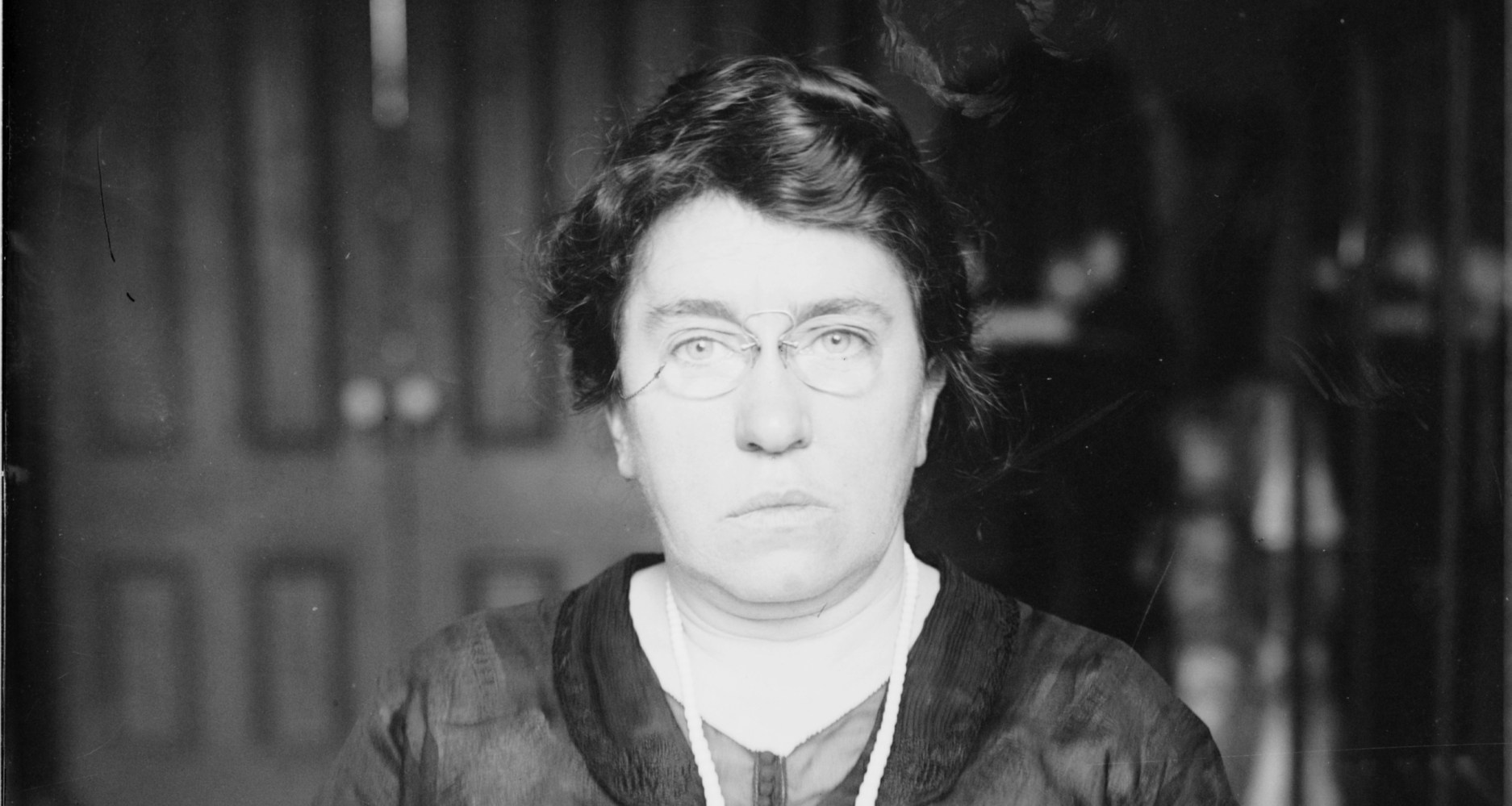
Among the most prominent names aboard were activists Emma Goldman and Alexander Berkman. Both had spent years advocating for free speech, labor rights, and anti-war positions. Their deportation wasn’t just a legal maneuver—it was a public statement that political dissent, especially when voiced by immigrants, would not be tolerated.
The Faces Behind the Files
Declassified detention logs reveal that many “radicals” were simply union organizers, newspaper editors, or members of mutual aid societies. Nationality didn’t grant immunity: Italians, Russians, Germans, and Eastern European Jews all appeared in the records, often flagged for attending a lecture or circulating a pamphlet. The threshold for “subversion” was deliberately vague—and deliberately powerful.
Civil Liberties on Trial
Holding suspects without formal charges triggered immediate legal pushback. Habeas corpus petitions flooded federal district courts. Lawyers argued that administrative detention had crossed into punitive territory. The public outcry grew so intense that it directly catalyzed the founding of the American Civil Liberties Union in 1920—an organization born, in part, to monitor exactly this kind of overreach.
Filtering newcomers by belief wasn’t just a policy shift—it was a philosophical rupture. The Founding Fathers, for all their contradictions, enshrined protections for speech, assembly, and dissent precisely because they understood that democracy thrives on debate, not dogma.
Even earlier, the Haudenosaunee Confederacy’s Great Law of Peace (Gayanashagowa), forged around 1142 CE among the Five Nations, offered a foundational model for the Founding Fathers: governance through consensus, deliberation, and the right to be heard, not through suspicion of the “other.” The land of the United States, especially in New York and New Jersey, where Ellis Island is located, has a rich history of ideological tolerance for almost 900 years.
When Ellis Island began asking “What do you read?” instead of “Do you have a sponsor?”, it traded that expansive vision for a narrower, fearful one. Ideological screening didn’t just deport radicals; it quietly redefined American belonging as conditional on conformity. And that precedent—equating dissent with danger—has echoed through immigration policy ever since.
Today, as you sail past the same red-brick walls, the harbor doesn’t ask “Do your beliefs match ours?” but “What stories do you have?” “What stories will you create?”
The Policy Ripple Effect
The Red Scare didn’t just fill detention wards; it drafted the blueprint for modern immigration restriction. By prioritizing ideological conformity over economic contribution, Washington paved the way for the 1924 Immigration Act, which established national origin quotas and fundamentally reshaped who could enter the United States.
A Familiar Tension
The debate between national security and civil liberties isn’t a modern invention. It’s a recurring current in American history. Ellis Island’s 1919–1920 transformation reminds us that borders don’t just divide geography, they define values.
From Detention Wards to Private Decks
A century ago, Ellis Island’s waters carried surveillance, suspicion, and sudden departures. Today, they carry quiet luxury, curated moments, and uninterrupted views. Where detainees once waited behind locked doors, you’ll recline on deep cushions with a beverage menu tailored to your preferences.
Why Private Matters
- No queues, no crowds: Skip the public ferry lines and experience the Statue of Liberty and Ellis Island from a vantage point reserved for your group.
- Custom timing: Golden hour sails, sunset departures, or midday cruises—your schedule dictates the route.
- Curated amenities: Champagne service, catered platters, and optional decor packages for proposals, anniversaries, or milestone celebrations.
- Expert navigation: The captain’s extensive experience on these waters ensures optimal routing, smooth sailing, and the most photogenic angles of the skyline.
History doesn’t need to feel heavy to be meaningful. Sometimes, the best way to honor it is to experience the same waters with the peace, privacy, and prestige you actually deserve.
FAQ — Ellis Island Red Scare History & Private Charter Questions
What were the Palmer Raids?
Conducted between November 1919 and January 1920, the Palmer Raids were federal sweeps targeting suspected anarchists, socialists, and labor organizers. Over 10,000 arrests were made nationwide, with Ellis Island serving as a primary detention and deportation hub.
Who was deported on the “Soviet Ark”?
The USAT Buford departed Ellis Island on December 21, 1919, carrying 249 political dissidents. Among the most notable were anarchist activists Emma Goldman and Alexander Berkman, both deported for their anti-government writings and labor advocacy.
Did the Red Scare change U.S. immigration policy?
Yes. It shifted screening from economic and medical criteria to ideological conformity. The backlash to mass detentions also spurred the founding of the ACLU in 1920 and laid the groundwork for the restrictive 1924 Immigration Act.
Where can I find Red Scare detention records?
Immigration and Naturalization Service files, BOI surveillance reports, and habeas corpus petitions are archived at the National Archives (Record Group 85). Many include detainee names, nationalities, and deportation dates—valuable for historical and genealogical research.
How do I sail past Ellis Island privately?
All private charters depart from Pier 59 at Chelsea Piers. Your USCG-licensed captain navigates a custom route past Ellis Island, the Statue of Liberty, and the Manhattan skyline. Charters run 2–4 hours, accommodating up to 6 guests with full catering and beverage service options.
What’s included in the charter price?
Your rate includes the vessel, USCG-licensed captain, and standard safety equipment. Catered food platters, champagne service, open bar packages, and decorative upgrades are available à la carte. Dietary restrictions and non-alcoholic options can be customized with 48 hours’ notice.
Can we dock at Ellis Island or Liberty Island?
No, the National Park Service doesn’t allow private vessels to dock at these historic landmarks. However, we’ll position the vessel for premium, crowd-free photography and panoramic views of both landmarks from the water.
What happens if it rains or storms on my charter day?
Safety is non-negotiable. If conditions are unsafe or if it is raining, the captain will reschedule your charter at no extra charge. Real-time radar monitoring begins two hours before your sail time.
Ready to Experience the Harbor—On Your Terms?
Ellis Island’s history. The Statue of Liberty’s silhouette. Manhattan’s skyline at golden hour. All viewed from your own private sailing yacht—no crowds, no compromises, just curated luxury on the water.
Starting at $600 for weekday couples | 2-4 hour charters | Departs Chelsea Piers
Check Availability & Book Your Harbor Escape
Questions before booking? Call or text us: 917-399-9084
Prefer to explore routes and pricing first? See our private charter options →